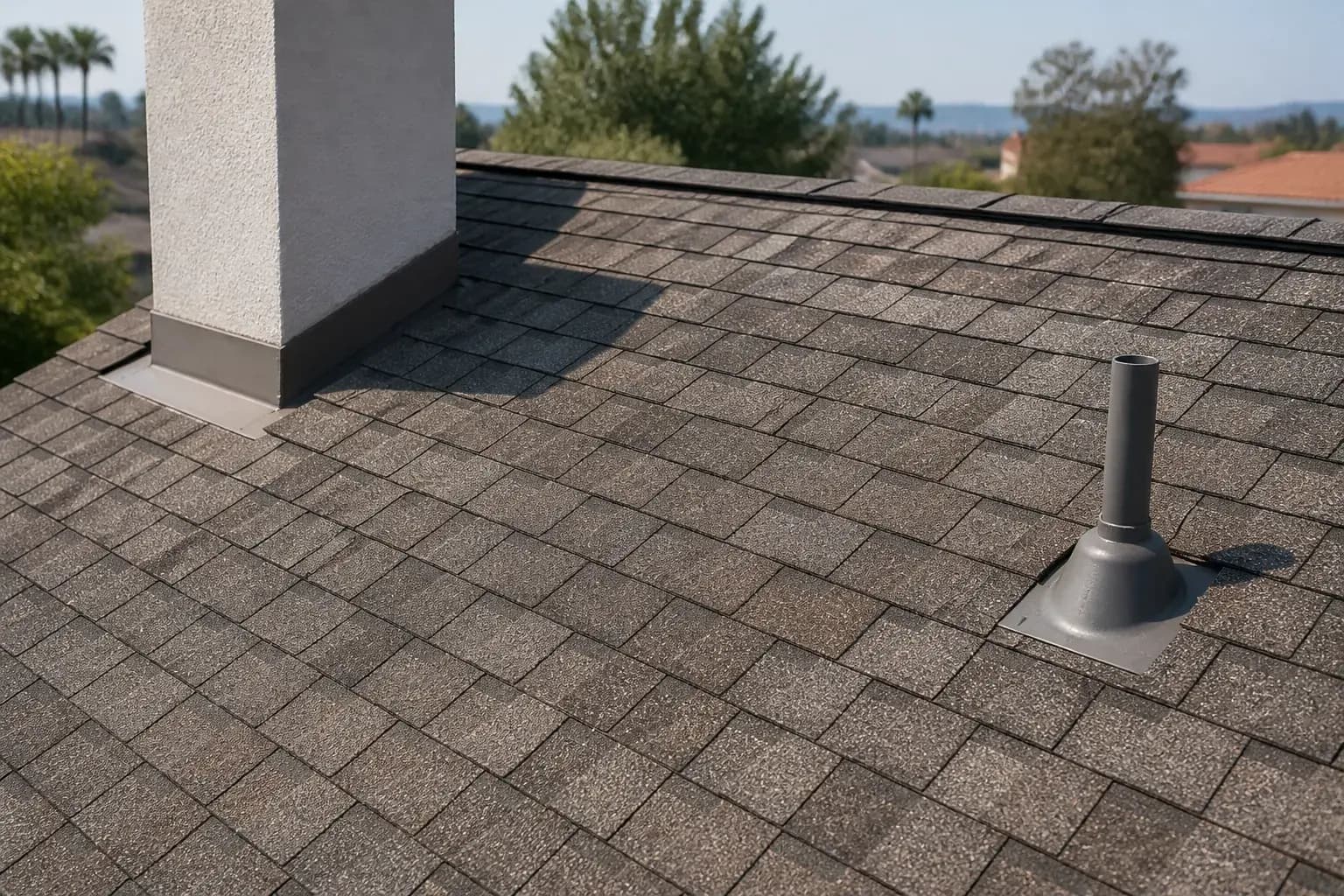
Roof Repair in San Diego, CA
Missing shingles, cracked flashing, and active leaks need quick, careful attention.
A roof problem usually shows itself in small ways first: a brown ceiling mark, a loose shingle edge, a drip after rain, or grit collecting near the downspout. Maybe you have noticed a spot that keeps coming back, a section that looks lifted, or flashing that no longer sits tight where it should. Those signs can be easy to dismiss until the next storm, a wind shift, or a warm day that makes the issue worse.
If you are seeing any of that, the next step is straightforward: have the damaged area repaired before water reaches more of the roof deck or interior finishes. Harbor View Roofing handles roof repair in San Diego with a focus on finding the source of the problem, correcting the damaged section, and making the fix hold up under daily weather changes. The sooner the issue is addressed, the less likely it is to spread into something larger.
Warning signs
Some roof damage is obvious from the ground. Other times, the clues show up inside the house first. Either way, it helps to know what to look for before a minor defect turns into a recurring leak.
- Ceiling stains: A stain that darkens after moisture exposure often points to a roof opening above it, even if the leak path is not directly overhead.
- Missing or lifted pieces: Shingles, tiles, or other roof sections that no longer sit flat can leave the underlayment exposed.
- Damaged flashing: Rusted, separated, or bent flashing around transitions can let water slip into gaps that are hard to see.
- Granules or debris: Roofing material collecting in gutters or near the base of the home can signal wear on the surface layer.
- Soft spots: A roof area that feels spongy underfoot may indicate water has already affected the layer beneath the surface.
If you notice more than one sign, the problem may be more than a single loose piece. A careful repair should address the visible damage and the reason it started.
Common causes
Roof damage does not always begin with a dramatic event. In many cases, it develops gradually from wear at seams, edges, and penetrations.
- Aging materials: Roofing surfaces lose flexibility over time, which makes them more likely to crack, lift, or separate.
- Wind movement: Repeated wind exposure can loosen fasteners and stress edges, especially where materials already have some wear.
- Flashing failure: Areas around vents, chimneys, valleys, and wall transitions often fail first because they depend on tight, continuous sealing.
- Previous patch work: A patch that was not matched correctly or sealed completely can become the next weak spot.
- Impact damage: Falling debris or broken tree limbs can bruise roofing materials and create openings that are not obvious at first glance.
For homeowners in San Diego, this matters because roof repairs often involve more than replacing a visibly damaged section. The surrounding materials need to be checked so the same issue does not come back after the next round of weather.
How repairs work
When Harbor View Roofing handles roof repair, the goal is to trace the problem to its source and fix the affected area cleanly. A leak stain inside the house may appear in one place while the actual opening sits several feet away on the roof.
1. Locate the source
We start by following the signs to the likely entry point. That may mean checking the damaged surface, nearby seams, adjacent flashing, and any areas where materials meet.
2. Assess surrounding damage
A repair should not stop at the most visible defect. We look at the nearby area to see whether water has affected nearby material, loosened edges, or weakened the connection between sections.
3. Repair the damaged section
Once the issue is identified, the damaged portion is corrected with attention to how it ties back into the rest of the roof. The repair needs to fit the existing roof rather than sit on top of the problem.
4. Clean up the area
Loose debris, damaged material, and leftover pieces should be removed so the repaired section can be checked clearly and the roof is left in a presentable state.
This approach is especially important when the damage is near a seam or transition. A visible patch without source correction can leave the underlying issue active.
What to expect
A good repair visit should make the issue clearer, not more confusing. Homeowners should know what was damaged, what caused it, and what was done to correct it.
- Direct findings: You should get a plain explanation of the damaged area and the conditions that led to it.
- Targeted repair plan: The fix should focus on the part of the roof that actually needs correction, not unnecessary add-ons.
- Attention to details: Areas around the repair should be checked so a small problem does not hide a larger one nearby.
- Practical next steps: If additional wear is visible, you should know whether it can wait or needs to be addressed soon.
Harbor View Roofing keeps the process focused on solving the immediate problem while also looking for anything that could make the repair fail early.
Materials and roof types
Roof repair is never one-size-fits-all. Different materials fail in different ways, and the repair method should match what is already on the home.
Matching the surface
The repair should blend with the existing roof as closely as possible so the corrected area performs the way the rest of the roof does.
Protecting transitions
The most vulnerable places are often where roof surfaces meet another structure, like a wall edge or a penetration. Those areas need special care because water tends to find small openings there first.
Checking nearby sections
Even if only one spot is visibly damaged, nearby materials can be stressed in the same way. It makes sense to inspect the surrounding area so the repair does not fail because of hidden wear right next to it.
In a place like San Diego, where roofs are exposed to repeated sun and changing conditions, small separation at edges can become a much larger issue if it is left alone.
Simple prep steps
A little preparation can make the visit smoother and help the repair move forward without delay.
- Clear access: Move items away from attic openings, ceiling access points, or the area below the damaged section if they could get in the way.
- Note the signs: Write down when you first saw stains, drips, or lifted material so the timeline is easier to follow.
- Save photos: A few pictures of the damage before it changes can help show how the issue is developing.
- Avoid temporary fixes: Covering a wet spot or sealing a visible crack without knowing the source can make the real issue harder to find.
If you are unsure whether a mark or leak is roof-related, it still helps to have it looked at. The source is often not where the symptom first appears.
Why repairs matter
A roof opening rarely stays the same size. Water can travel under the surface, affect nearby materials, and turn a narrow issue into a broader repair.
When roof repair is handled early, the benefits are practical:
- Less interior damage: Stopping the leak sooner helps protect ceilings, walls, insulation, and finishes.
- Fewer repeat issues: A proper repair addresses the cause instead of covering the symptom.
- Better roof life: Fixing small failures reduces stress on surrounding sections.
- Clearer planning: You can make better decisions when you know the condition of the damaged area rather than guessing.
For homeowners in San Diego, timely repair is often the difference between a contained fix and damage that spreads into multiple parts of the roof assembly.
Common questions
How do I know if the leak is coming from the roof?
A ceiling stain or drip often points to a roof problem, but the entry point can be some distance from where the water shows up inside.
Can small lifted sections really cause a problem?
Yes, because a small opening can let water work under the surface and reach materials that are supposed to stay dry.
What if the damage only shows up after rain?
That is still useful information, because intermittent leaks often reveal where the roof is failing under specific conditions.
Do roof repairs always involve the same materials as the original roof?
No, the repair method depends on the existing roof type, the location of the damage, and how the surrounding area needs to be tied back together.
Should I wait if the stain has not grown lately?
A stain that seems stable can still signal ongoing water entry, so it is better to confirm the source before more damage develops.
What if I am not sure the roof is the problem?
That is common, and it is worth checking because a roof issue can look like a plumbing or interior problem until the source is traced correctly.
Start the repair
If you have seen signs of roof damage, do not wait for them to turn into a larger interior problem. Harbor View Roofing can assess the affected area, identify what is causing it, and repair the damaged section with the rest of the roof in mind. For homeowners in San Diego, a focused roof repair now can keep a small issue from becoming a much bigger one later.
How We Work
A Clear Roofing Process
Every project starts with a careful look at the roof and a simple explanation of what comes next.
Inspect the Roof
We examine the roof surface, flashing, and likely trouble spots before recommending work.
Explain Your Options
You get a clear breakdown of what we found and which next step fits the situation.
Complete the Work
We finish the roofing project carefully and leave the site clean.
FAQ
Common Roofing Questions
If you have questions about your roof or next steps for a project, send us a message and we will help you sort through the options.
How do I know if my roof needs repair or replacement?
An inspection is the best place to start. We look at the condition of the roof and explain which option makes more sense.
What are signs my roof may be leaking?
Water stains, damp ceilings, missing shingles, and cracked flashing can all point to a roof issue.
Do you inspect roofs before starting work?
Yes, a careful inspection helps identify the source of the problem and the right scope of work.
Can you help with flat roofs?
Yes, flat roofing is one of the services we offer for local properties.
What types of properties do you work on?
We help homeowners, property managers, and business owners with roofing projects across San Diego.

Get started
Talk With a Roofing Team You Can Rely On
Tell us what is happening with your roof, and we will help you determine the right next step for repair, replacement, inspection, or maintenance.