Roof Inspections in San Diego, CA
Hidden roof issues can go unnoticed until water intrusion starts inside your property.
If a ceiling stain has started spreading, shingles look out of place, or your roof just seems to be aging faster than it should, it is time to get answers. Small warning signs often point to bigger issues that are easy to miss from the ground, and waiting usually makes the repair more complicated.
A roof inspection gives you a clear look at what is happening above your head before the next rain makes it worse. Harbor View Roofing checks for visible damage, worn materials, and early trouble spots so you can make a calm, informed decision about what comes next.
Warning signs
A roof rarely fails without giving hints first. Some are obvious, while others are subtle enough to blend into everyday home maintenance.
- Interior stains: Water spots on ceilings or walls often point to a leak that has already made its way past the roofing surface.
- Shingle changes: Curling, cracking, or missing shingles can expose the layers underneath and shorten the life of the roof.
- Granules in gutters: Dark, sand-like buildup can mean surface wear on asphalt shingles.
- Sagging areas: Uneven lines across the roof may indicate trapped moisture or structural stress that needs a closer look.
- Debris near flashing: Loose material around vents, chimneys, or valleys can signal a spot where water may enter.
- Musty attic smell: Moisture in the attic does not always show up on the ceiling first.
When one of these signs shows up, an inspection helps identify whether the problem is isolated or part of a larger pattern.
What we look for
A roof inspection should not stop at a quick glance from the driveway. Harbor View Roofing checks the visible conditions that most often lead to leaks, wear, and early roof failure.
Surface condition
We look at shingles, tiles, or other roofing materials for cracks, lifted edges, missing sections, and general wear. These details help show whether the roof is holding up or starting to break down in specific areas.
Flashing and seams
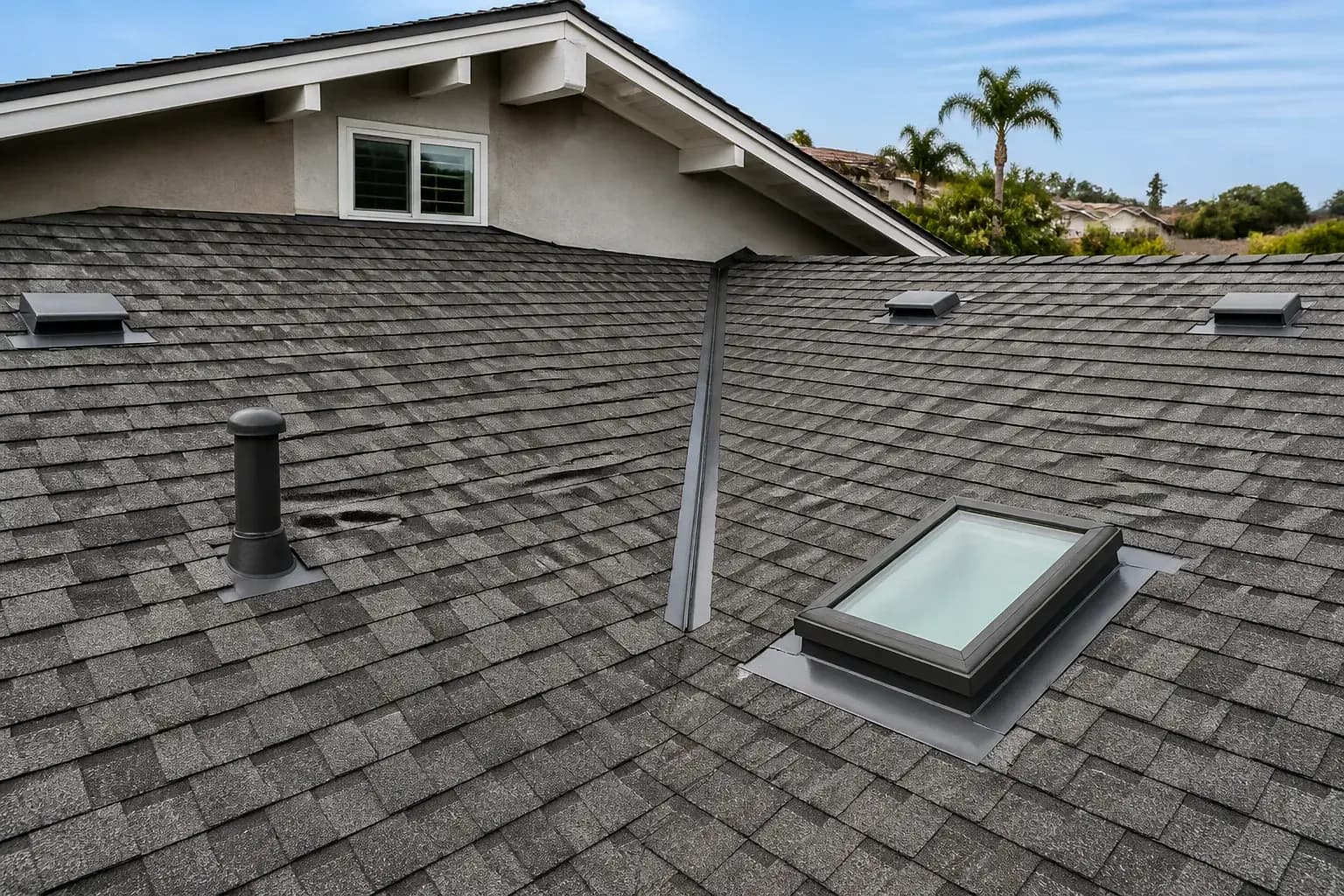
Roof leaks often begin where different materials meet. We inspect flashing around chimneys, skylights, vents, and wall transitions because these spots need to stay sealed tightly.
Drainage areas
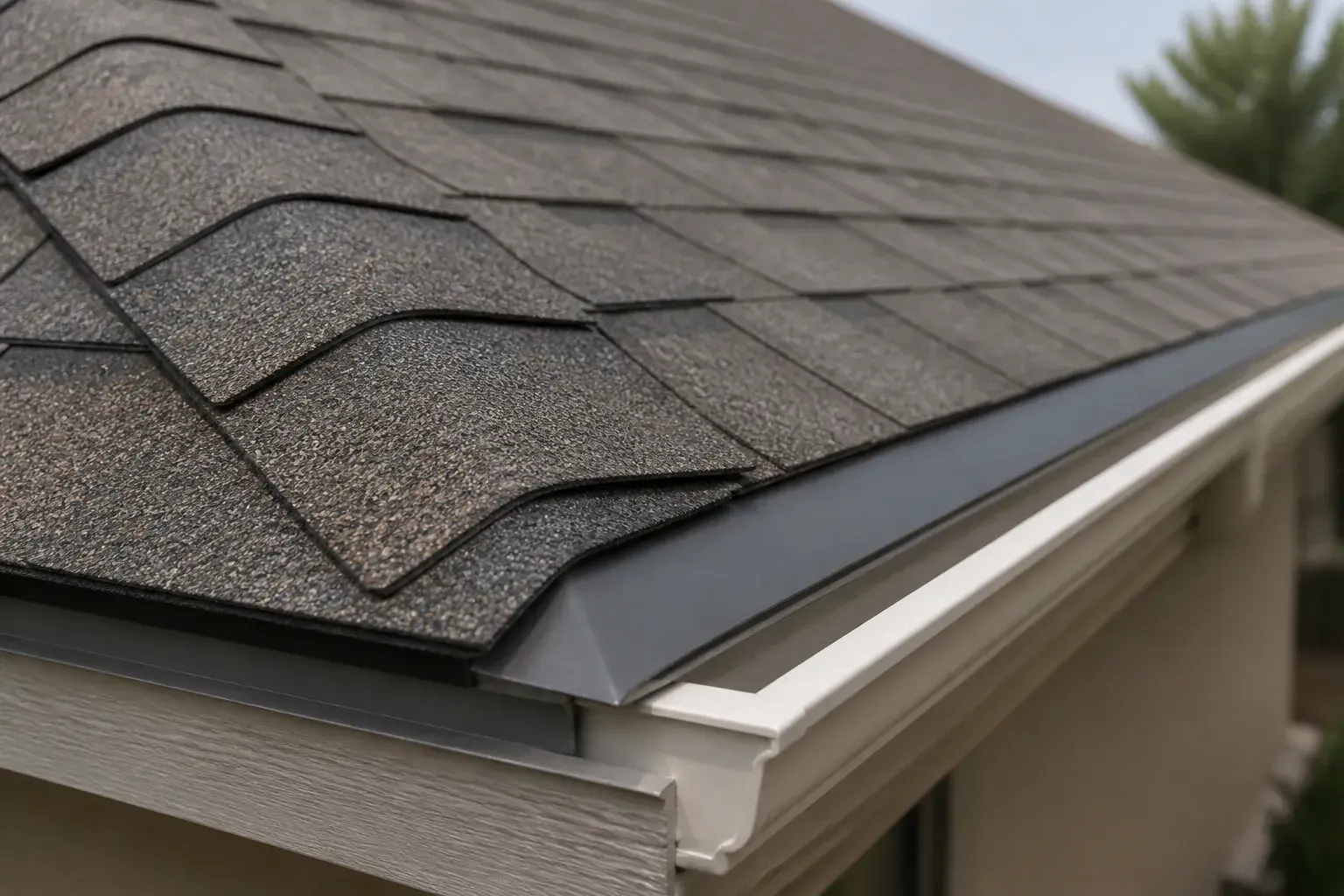
Valleys, gutters, and downspout areas can collect debris or hold water longer than they should. We check for buildup, blockages, and signs that water has been moving where it should not.
Penetrations and edges
Pipe boots, edge metal, and exposed fasteners can wear out before the rest of the roof. These smaller parts matter because they protect some of the most vulnerable points on the system.
How visits work
A roof inspection should feel straightforward, not overwhelming. The goal is to give you useful information you can act on.
- Initial review: We start by looking at the concerns you have noticed, such as stains, drafts, lifted shingles, or recent wear.
- Exterior check: We examine the roof surface, flashing, edges, and other visible details for signs of damage or aging.
- Problem tracing: If we see evidence of moisture or deterioration, we look for the likely source instead of stopping at the symptom.
- Findings explained: We walk through what we found in clear terms so you understand what is urgent, what is watchable, and what may need attention soon.
- Next-step guidance: If repairs are needed, we explain the issues plainly so you can decide how to move forward.
That process matters because a roof can show damage in one place while the real cause sits somewhere else entirely. A careful inspection helps avoid guesswork.
Common causes
Many roof problems start small and build slowly. Knowing the usual causes can help you pay attention before a minor issue turns into a bigger one.
- Aging materials: Roofing parts wear down over time, even when there has not been a dramatic storm or obvious event.
- Poor sealing: Sealants around penetrations and transitions can dry out, split, or loosen.
- Debris buildup: Leaves, dirt, and other debris can trap moisture and create trouble in valleys and drainage areas.
- Previous patching: Repairs that do not fully address the source of a problem can leave hidden weak points behind.
- Heat exposure: Sun and temperature swings can slowly stress roofing materials and make them brittle.
In San Diego, homeowners often ask for inspections when they notice slow changes rather than sudden damage. That is smart. Slow changes are often the easiest ones to address before they spread.
Why it matters
A roof inspection is useful because it helps you understand the condition of the roof before you are forced to react. A small leak may start as a stain, but the hidden moisture can move into insulation, decking, or framing if it goes unchecked.
An inspection can help you:
- Catch leaks early: Finding the source sooner can reduce the chance of interior damage.
- Separate cosmetic wear from real issues: Not every mark means immediate trouble, but some do.
- Plan repairs with confidence: Clear findings make it easier to decide what should happen first.
- Avoid repeat problems: If a previous repair did not solve the root cause, an inspection can reveal why.
- Protect home value: A well-kept roof can prevent surprise issues during future home decisions.
Harbor View Roofing focuses on practical findings, not scare tactics. If something is minor, we say so. If it needs attention, we explain why.
What homeowners can check
You do not need to climb onto the roof to notice early trouble. A few simple checks can help you decide when to schedule an inspection.
- Look at ceilings and upper walls: Water stains, bubbling paint, or discoloration can point to active or past moisture.
- Check gutters from the ground: Excess granules or visible shingle debris can signal wear.
- Watch rooflines: Uneven sections, lifted edges, or visible gaps are worth a closer look.
- Notice attic changes: Damp insulation, a musty smell, or daylight where it should not be can reveal roof concerns.
- Review after visible wear: After a period of strong sun, heavy debris buildup, or visible roof aging, an inspection can confirm whether the roof still looks sound.
If you are unsure whether what you are seeing matters, an inspection can answer that without guesswork.
Local roof concerns
Homes in San Diego can face a mix of sun exposure, seasonal debris, and general aging that makes regular visual checks worthwhile. The point is not to assume damage, but to notice how the roof is holding up over time.
Harbor View Roofing provides roof inspections for homeowners who want a clear picture of their roof’s condition without a sales pitch disguised as a checkup. We look for the details that matter and explain them in plain language.
If you are trying to decide whether a stain is old or active, whether a lifted shingle is isolated or widespread, or whether a small leak needs attention now, a roof inspection gives you the facts.
Common questions
How long does a roof inspection take?
It depends on the size and condition of the roof, but the goal is to be thorough enough to identify visible concerns and likely problem areas.
What if I only have one small stain?
Even one stain can be useful information, because it often points to a leak path that may not be obvious from inside the home.
Do I need to be home during the inspection?
It is often helpful if someone is available to discuss concerns and review findings afterward, especially if you have noticed a specific problem.
Can an inspection help after roof repairs?
Yes, because it can show whether the earlier issue appears resolved or whether a separate problem is still contributing to damage.
What if the roof looks fine from the ground?
Some of the most important issues are hard to see without a closer look, especially around flashing, edges, and penetrations.
Will the inspection tell me what needs attention first?
It should. A good inspection helps separate immediate issues from items that can be monitored, so you can decide what to do next.
Start with answers
A roof inspection is a simple way to get clarity before a small concern grows into a bigger one. If you have noticed signs of wear, stains, or changes in the roof’s appearance, Harbor View Roofing can take a closer look and explain what it means.
For homeowners in San Diego, that kind of straightforward information makes it easier to protect the home and move forward with confidence.
How We Work
A Clear Roofing Process
Every project starts with a careful look at the roof and a simple explanation of what comes next.
Inspect the Roof
We examine the roof surface, flashing, and likely trouble spots before recommending work.
Explain Your Options
You get a clear breakdown of what we found and which next step fits the situation.
Complete the Work
We finish the roofing project carefully and leave the site clean.
FAQ
Common Roofing Questions
If you have questions about your roof or next steps for a project, send us a message and we will help you sort through the options.
How do I know if my roof needs repair or replacement?
An inspection is the best place to start. We look at the condition of the roof and explain which option makes more sense.
What are signs my roof may be leaking?
Water stains, damp ceilings, missing shingles, and cracked flashing can all point to a roof issue.
Do you inspect roofs before starting work?
Yes, a careful inspection helps identify the source of the problem and the right scope of work.
Can you help with flat roofs?
Yes, flat roofing is one of the services we offer for local properties.
What types of properties do you work on?
We help homeowners, property managers, and business owners with roofing projects across San Diego.

Get started
Talk With a Roofing Team You Can Rely On
Tell us what is happening with your roof, and we will help you determine the right next step for repair, replacement, inspection, or maintenance.